Washington: As global tensions intensify, the United States finds itself navigating a complex intersection of military assertiveness and economic strain. While the White House signals heightened strategic activity, the impact of ongoing geopolitical developments is increasingly being felt by ordinary Americans.
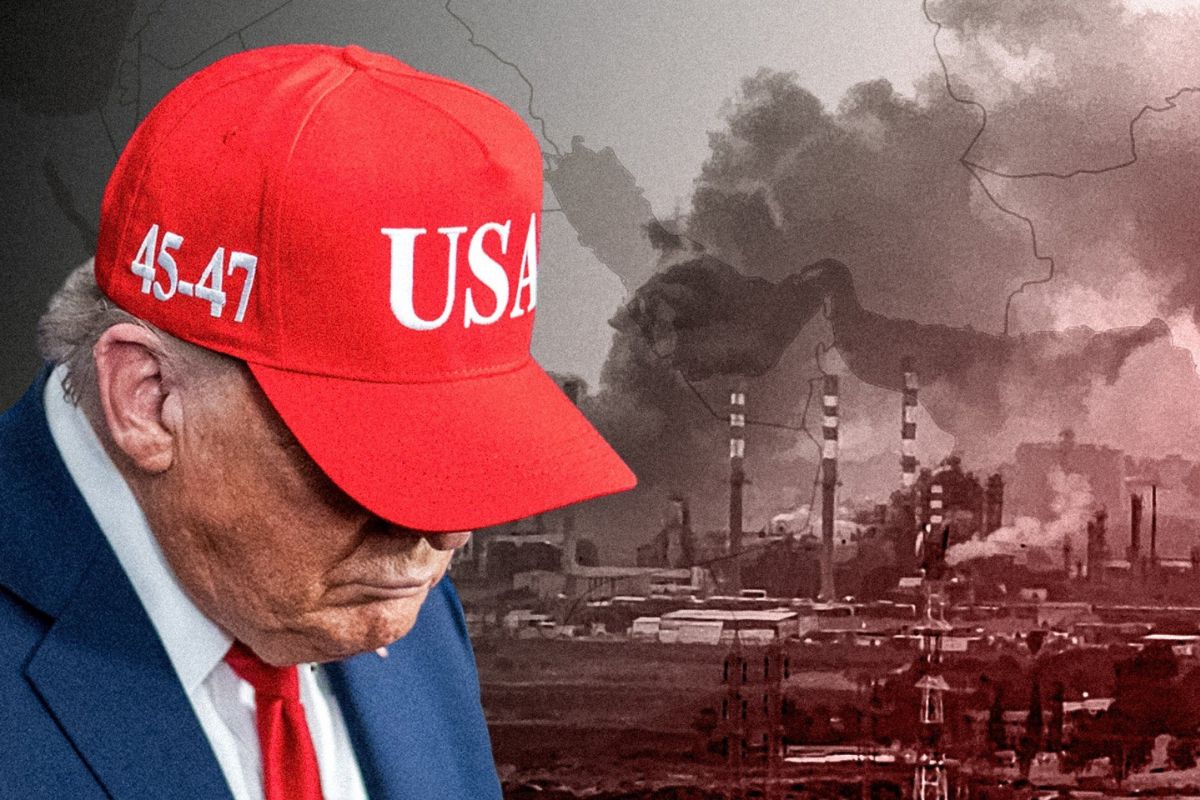
Under the leadership of Donald Trump, the US has taken a more aggressive military posture, particularly in relation to Iran. Reports of missile deployments and rising defence engagements have underscored Washington’s commitment to maintaining its global influence. However, this approach has also triggered domestic concerns over rising living costs and economic uncertainty.

Growing Gap Between Power and Public Sentiment
While the administration has emphasized strength and national security, many citizens are grappling with inflationary pressures. In states like Pennsylvania and Ohio, rising fuel prices and household expenses have become pressing concerns. The economic ripple effects of geopolitical tensions, especially in energy markets, are placing additional burdens on middle-class families.
Critics argue that the administration’s earlier commitment to reducing overseas conflicts contrasts with the current trajectory. During election campaigns, Trump had pledged to avoid prolonged military engagements, but the evolving situation suggests a more interventionist stance.
Diplomatic Challenges and Global Perception
On the international stage, the US faces mounting diplomatic challenges. Mixed signals—such as criticism of NATO funding alongside calls for allied support—have raised questions about policy consistency. Analysts suggest that such contradictions may affect Washington’s credibility among global partners.
Diplomatic observers note that rapid strategic decisions, particularly in volatile regions, carry the risk of escalating conflicts while complicating negotiations.
Economic Indicators Reflect Strain
Economic data paints a concerning picture. Inflationary trends have intensified amid rising oil prices, while stock markets have experienced volatility, with billions of dollars in value fluctuating daily. Many American households, already managing debt, are now facing increased costs for essentials such as fuel, housing, and education.

Public sentiment appears to be shifting, with a growing number of citizens expressing concern that domestic economic priorities should take precedence over international military engagements.
A Question of Balance
Experts emphasize that national strength is not defined solely by military capability but also by economic stability and public welfare. The current situation highlights the challenge of balancing defence ambitions with domestic economic needs.
For many, the unfolding scenario represents more than a geopolitical strategy—it reflects broader questions about governance, priorities, and the long-term vision for the country.
Outlook
As the US continues to assert its military presence globally, the path forward remains uncertain. Policymakers face the difficult task of navigating diplomatic complexities while addressing domestic economic pressures.
Whether current strategies will укреп strengthen national interests or deepen economic challenges remains to be seen. What is clear, however, is that the intersection of military power and economic reality will play a defining role in shaping America’s trajectory in the coming years.